
Fluorescent tubes are on their way out. Plan where yours go.
Lamp Recycler offers recycling for lamps, ballasts and batteries, by pickup or mail-back box, for property managers, facilities teams, and construction and demolition.
Sources: state statutes; ECmag, 2024.
- Lamps, ballasts and batteries
- Pickup or mail-back boxes
- Property managers and facilities teams
- Construction and demolition
Everything that comes down with the ceiling.
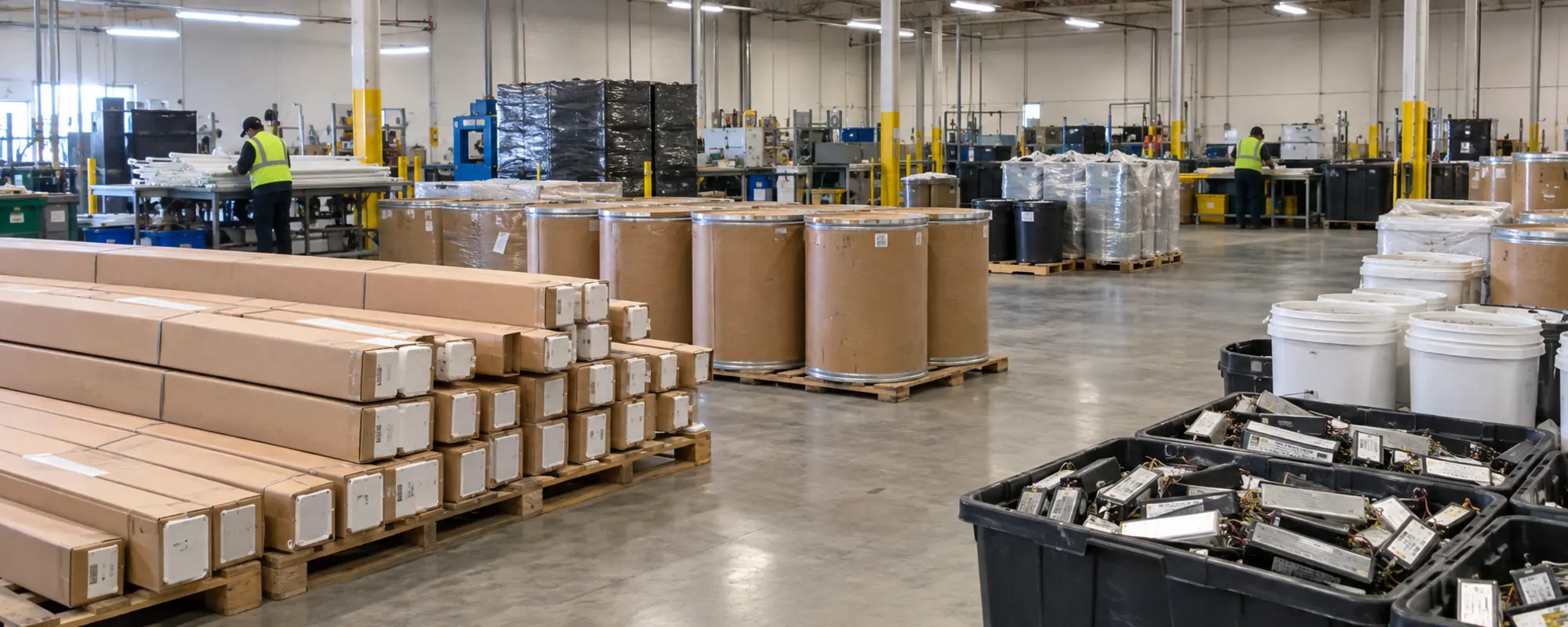
A lighting retrofit rarely produces just lamps. Lamp Recycler is built around the full load: lamps, ballasts and batteries, with two ways to hand them off.
-
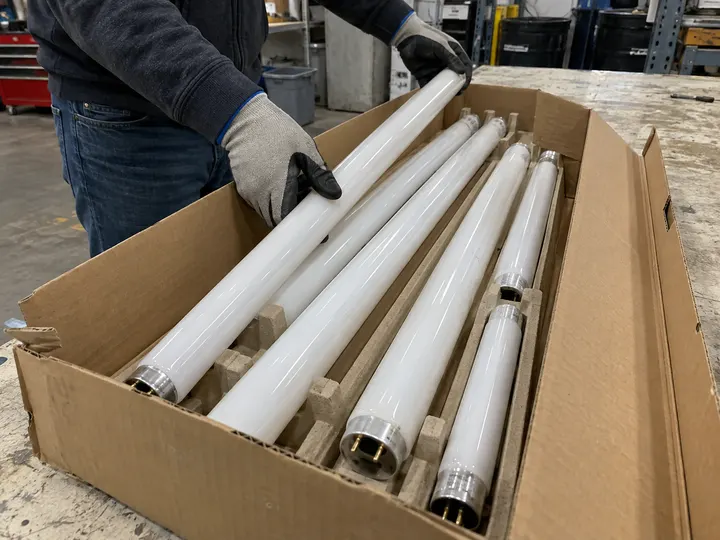 01 / Lamps
Lamp recycling
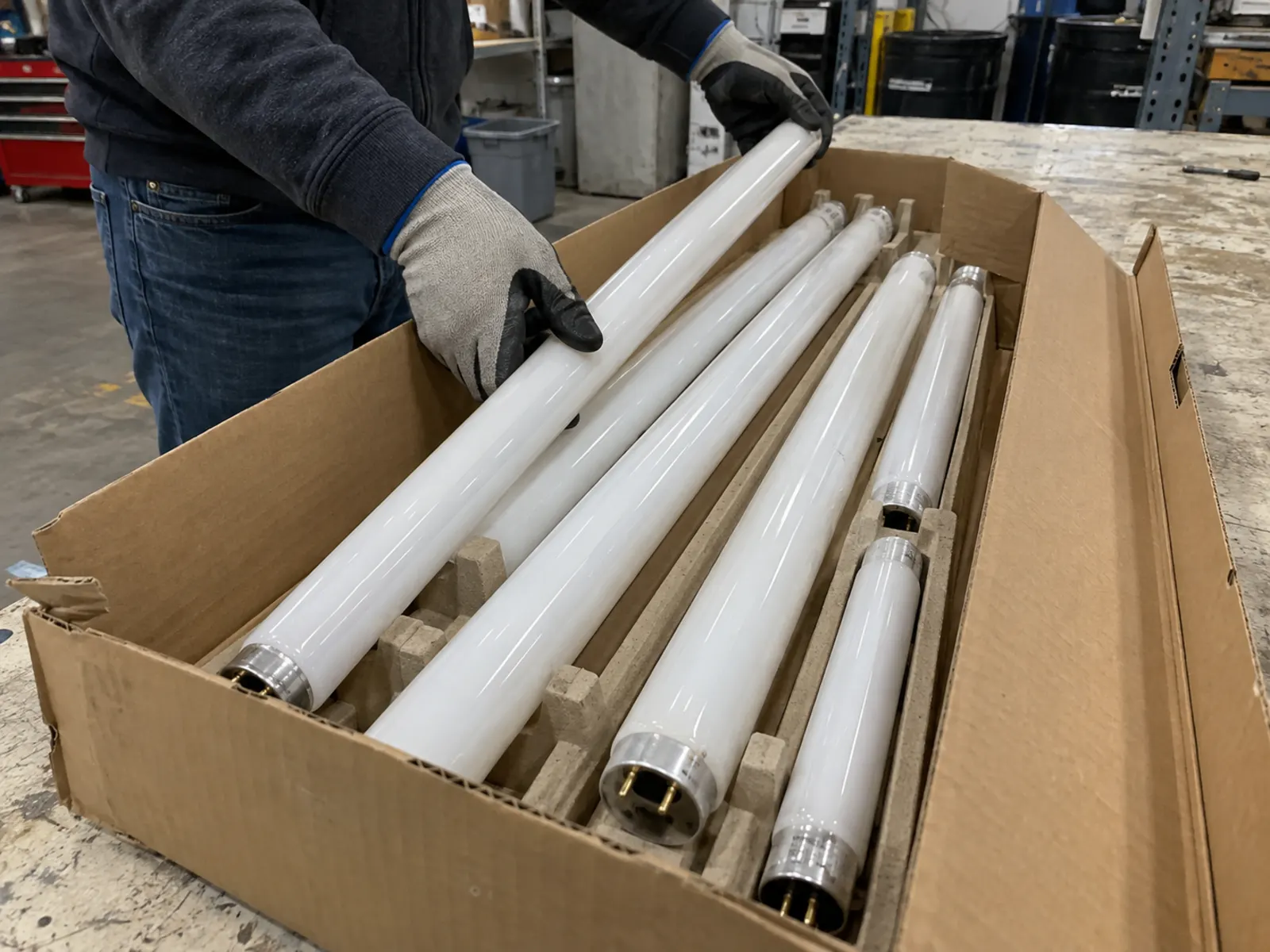
Spent lamps from your buildings, collected for recycling.
-
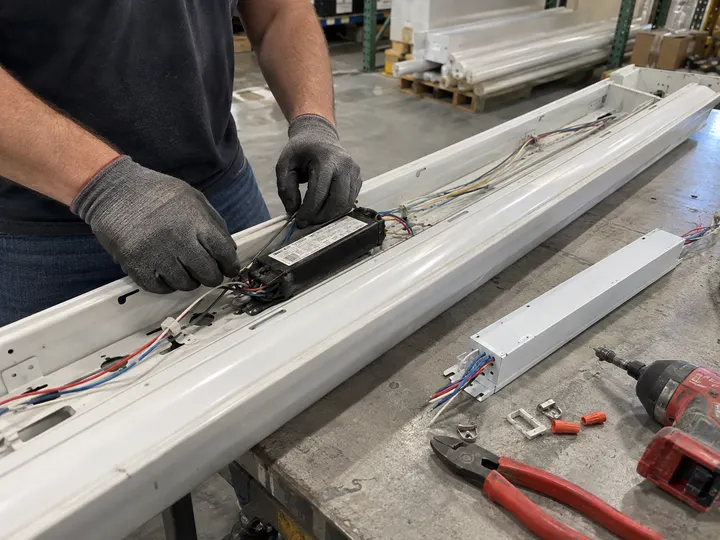 02 / Ballasts
Ballast recycling
Ballasts that come out in the same retrofit. Older units may contain PCBs, so their age matters.
-
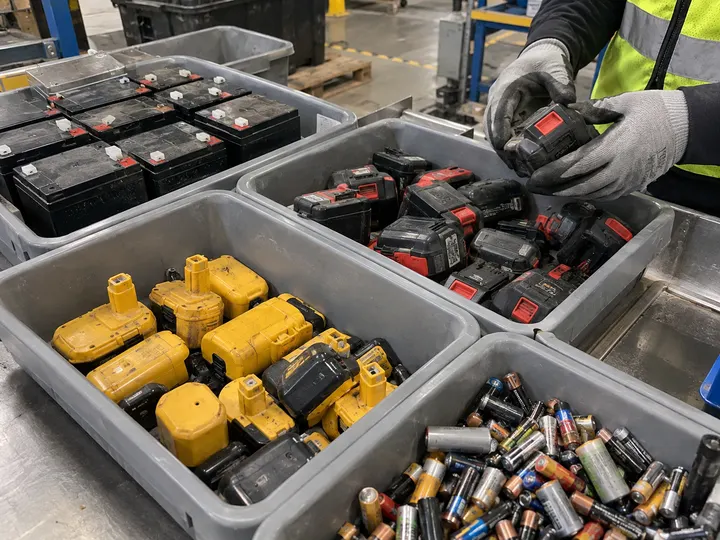 03 / Batteries
Battery recycling
Batteries from your facilities, handled alongside lamps and ballasts.
-
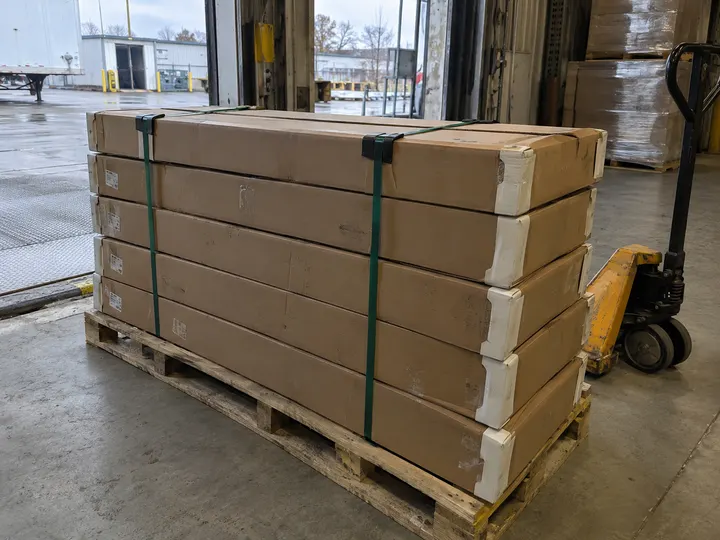 04 / Handoff
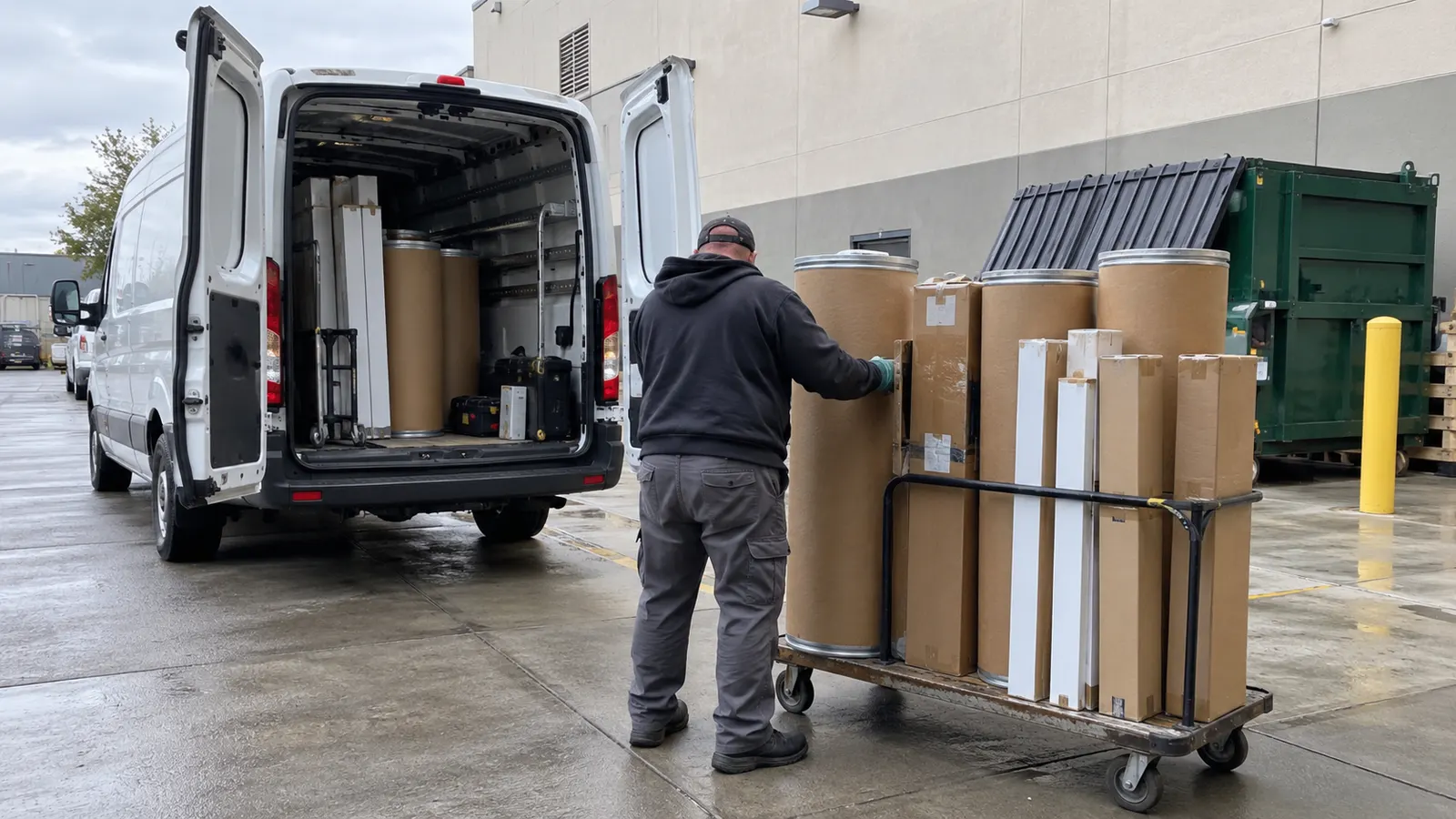
Pickup or mail-back box
Two ways to get materials out of your building. Details are not published yet.
Who we serve

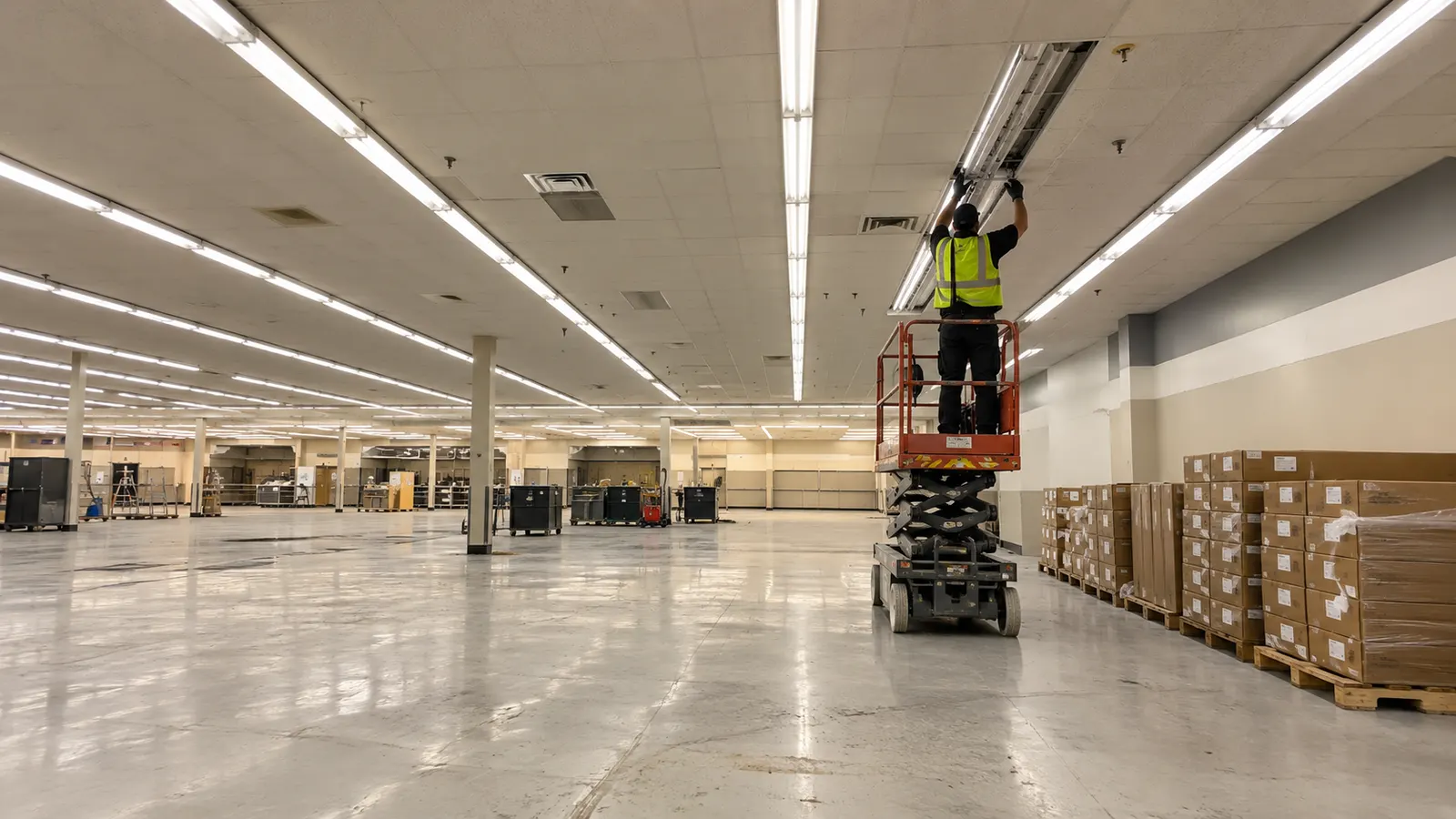
A retrofit takes a lot out of a ceiling at once.
ALMR, a lamp recycling trade group, says contractors "may share that legal responsibility" for how lamp and ballast waste is handled, and that enforcement actions "have involved lighting retrofits."
Source: ALMR, Message for Contractors.
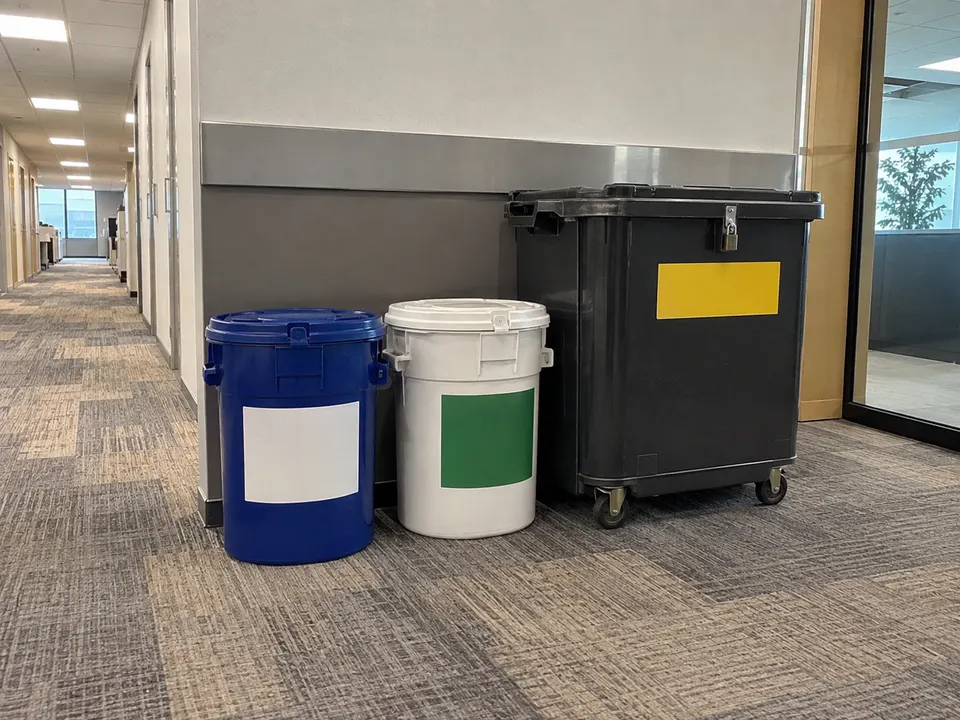
Know the storage rules before the boxes pile up.
Under federal universal waste rules, spent lamps can be stored for up to one year, in closed containers that prevent breakage and are labeled. Sites that reach 5,000 kg of universal waste become large quantity handlers and need an EPA ID number.
Source: 40 CFR 273.9, 273.13 to 273.15 and 273.32.
Fewer new tubes every year, and state bans on the way.
Source: US Department of Energy figures, as reported by LightNOW. State sales bans: Vermont 2024; California, Colorado, Oregon, Rhode Island 2025; Hawaii, Maine, Minnesota 2026; Illinois January 1, 2027; Washington 2029.
Four steps before lamps leave your building.
Take stock
Count your lamps, ballasts and batteries, and note which ballasts are older.
Check your ballasts
Ballasts made before July 1, 1979 may contain PCBs. Those from 1979 to 1998 without a "No PCBs" label are presumed to.
Store them properly
Use closed containers that prevent breakage, label them, and keep storage under one year.
Choose a handoff
Pickup or mail-back box. Plan it first, using the checklist below.
Before you plan a pickup.
Can a business throw fluorescent tubes in the trash?
It depends on your state and your volume. Federal universal waste rules cover storage in closed, labeled containers for up to one year. California, Minnesota and Washington also ban landfilling lamps from households. Check your own state's rules.
What about the ballasts?
EPA says ballasts made before July 1, 1979 may contain PCBs, and ballasts made from 1979 to 1998 without a "No PCBs" label are presumed to.
How long can we store spent lamps?
Up to one year under 40 CFR 273.15, in closed containers that prevent breakage and carry the required labels.
What does it cost, and where do you serve?
Prices, minimums, turnaround times and service area are not published yet, and this page makes no promises about them.
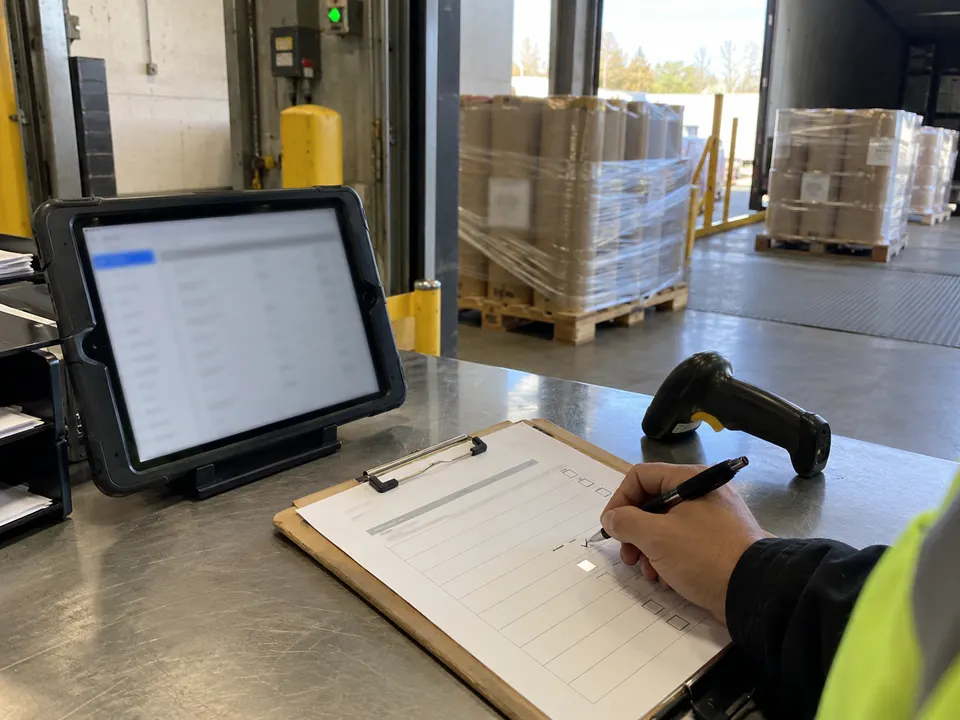
Gather your details first.
Lamp Recycler offers pickup and mail-back boxes for lamps, ballasts and batteries. Having these details together makes any recycling job easier to plan.
Have ready
- Counts of lamps, ballasts and batteries
- Dates on older ballasts, or any "No PCBs" labels
- The date your oldest container started filling
- Whether you expect to use a pickup or a mail-back box
- Your building type